The primary objective of the Sustainable Livelihood Program is to enable poor and ultra-poor households to achieve self-reliance through diversified income sources, skill development, and access to appropriate financial and non-financial support.
The program emphasizes the following core areas:
Income generation and employment creation
Skills development and vocational training
Agro-based livelihood support
Small enterprise and micro-business development
Capacity building and entrepreneurship development
Climate-resilient and adaptive livelihood practices
The program primarily serves:
Poor and ultra-poor rural households
Women entrepreneurs and women-led households
Youth seeking employment and self-employment opportunities
Disaster-affected and climate-vulnerable communities
Graduated clients from microfinance programs
Major activities under the Sustainable Livelihood Program include:
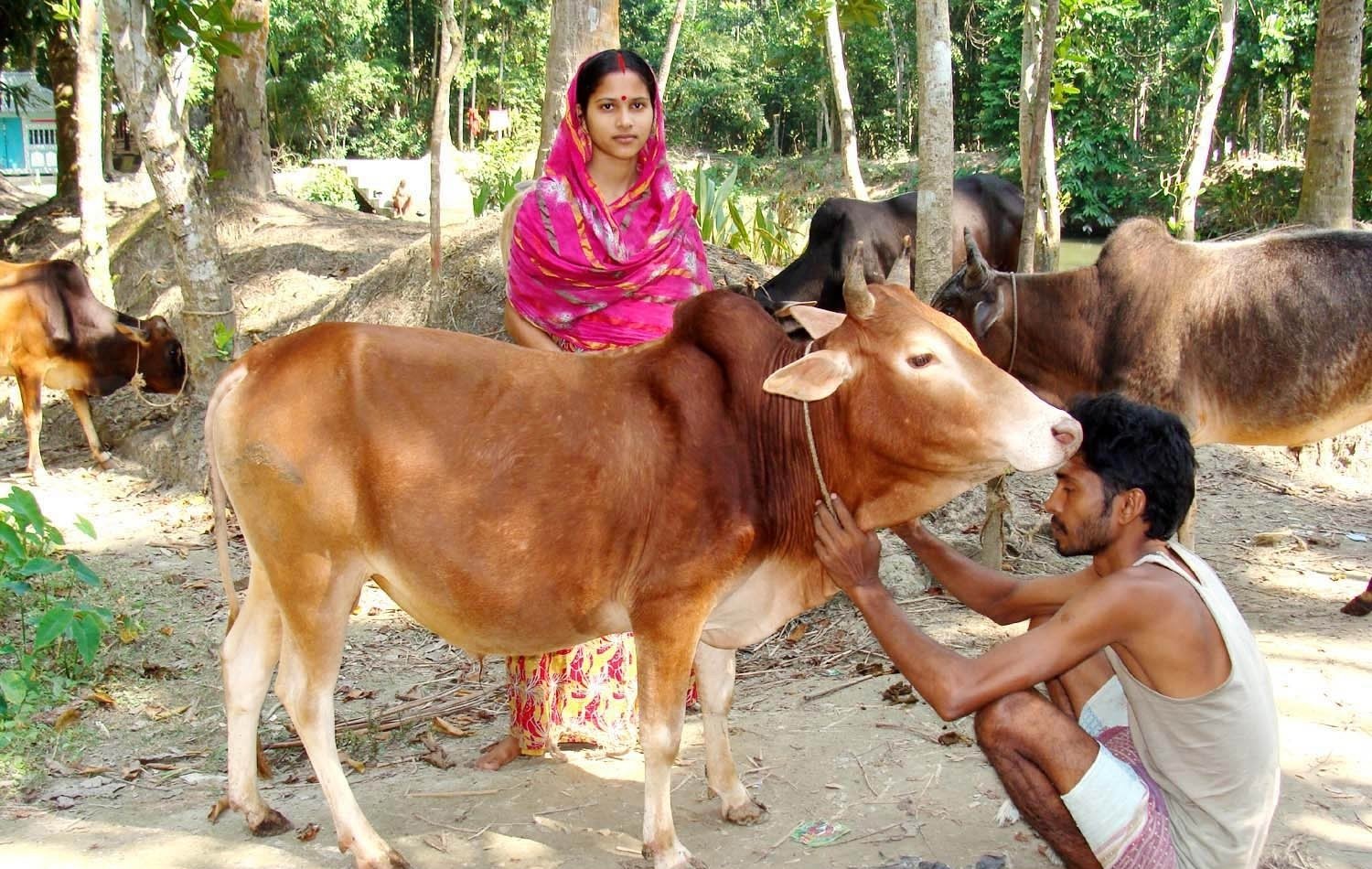
Support for livestock rearing (goat, cow, poultry, duck)
Crop and vegetable cultivation support
Agro-based initiatives (ginger cultivation, homestead gardening, etc.)
Small trade and retail business support
Skills training for income diversification
Business development services and mentoring
Provision of interest-free (Quard) support for selected livelihood activities
To ensure sustainability, the program also provides:
Financial literacy and business management training
Market linkage and value chain support
Community-based capacity building
Ongoing monitoring and technical guidance
Through this program, MAB has contributed to:
Increased and diversified household income
Improved food security and nutrition
Enhanced employment opportunities
Strengthened resilience to economic and climate shocks
Greater participation of women in economic activities
Copyright © 2026 All Rights Reserved. MAB